
Short answer
Polybutylene is a gray (sometimes blue or black) plastic supply pipe used in many homes from about 1978 to 1995. Look for 'PB2110' stamped on the pipe at the water heater, under sinks or at toilet supplies. It can fail without warning, so most owners plan a repipe, usually in PEX.
Where it turns up
Polybutylene was installed in millions of homes, most heavily in the Sunbelt and other fast-growing areas that built a lot of housing between the late 1970s and mid-1990s: Florida, Texas, Arizona, Georgia, the Carolinas and the West Coast among them. It also turns up in manufactured homes from the period. Insurers and buyers frequently ask about it.
How to identify it
- Flexible gray pipe, about 1/2" to 1" in diameter
- 'PB2110' printed along the pipe
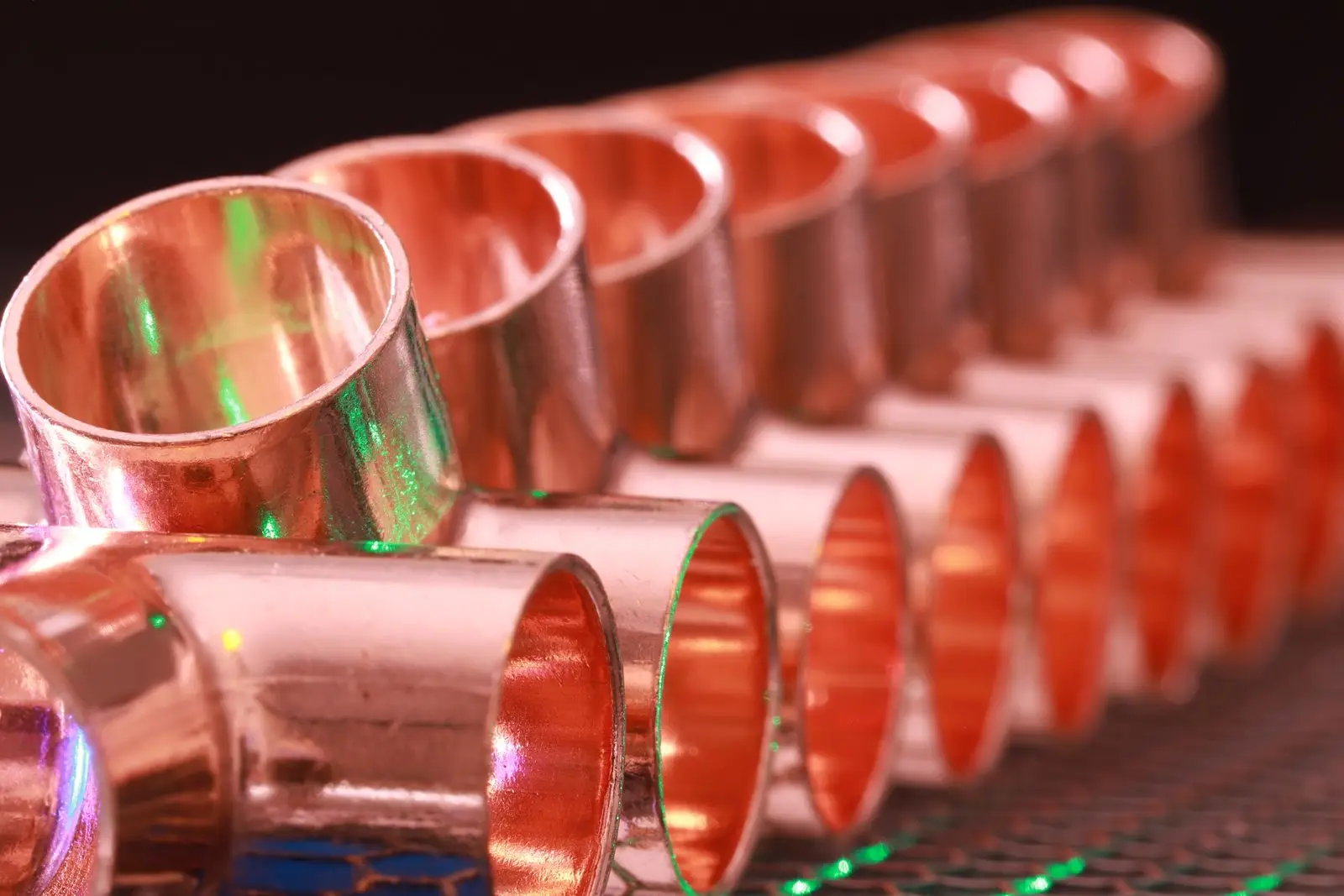
- Copper or aluminum crimp rings, or gray plastic fittings
- Often visible at the water heater, under sinks and at toilets
Why it fails
The pipe and its fittings can degrade from within over time, and failures often happen at fittings. Leaks may be slow drips or sudden bursts.
What replacement involves
A full repipe runs new PEX through the attic and walls, abandons the old lines, and is pressure-tested and inspected under permit. Most single-family homes are finished in a few working days.
When to call a plumber
- You've confirmed polybutylene and want a repipe price.
- You're buying or selling a home from the 1978–1995 era.
What the plumber does: see polybutylene pipe replacement.
Common questions
Can I just replace the fittings?
Some homes had fittings replaced in the 1990s, but the pipe itself still ages. Most plumbers recommend a full repipe.
Does homeowners insurance cover polybutylene?
Coverage varies, and some insurers decline or surcharge homes with polybutylene. Ask your agent.
Editorial note: this guide is general information for homeowners, not a diagnosis. Conditions vary by home, so a licensed plumber should confirm the cause before any repair.