Slab & Hidden Leaks
Slab leak detection
Slab leak detection finds a leak in a water line under or inside the concrete slab without guessing. A plumber confirms the leak at the meter, isolates hot from cold, then pinpoints it with acoustic listening and thermal imaging so only one small spot is opened, or none at all if a reroute is the better repair.
- Same-day service when a plumber is available
- Serving the Phoenix metro
- Quote before work
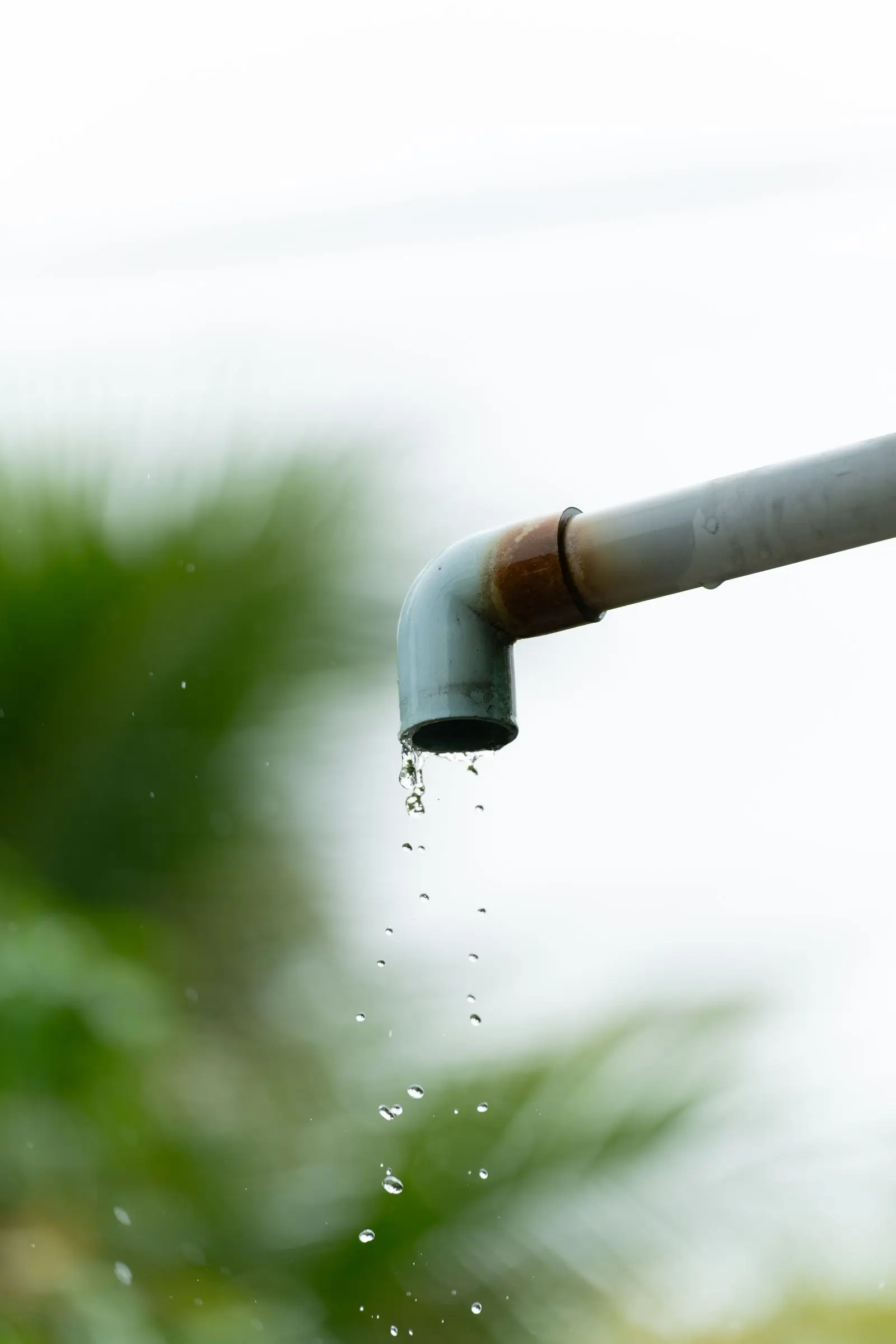
Nearly every home in the Valley is built on a concrete slab, with copper or PEX supply lines running under or through it. When one of those lines leaks, the water goes into the soil and the first sign is often a high water bill.
Hot-side slab leaks are especially common. Hot water lines expand and contract, rubbing against concrete and gravel, and the warm spot on the floor is a classic clue.
Slab leak detection at a glance
- First step
- Meter test with every fixture off
- Methods
- Pressure isolation, acoustic listening, thermal imaging
- Outcome
- Leak location plus repair options, from spot repair to reroute
- Urgency
- Hot-side leaks waste energy and water every hour
Signs you need slab leak detection
- A water bill higher than last year's for the same month
- The meter's leak indicator spins with everything off
- A warm or hot spot on a tile or concrete floor
- Sound of running water with no fixture on
- Damp carpet, cracked tile or baseboard swelling with no obvious source
How the plumber handles it
- 1
Confirm at the meter
With every fixture off, the plumber watches the meter's leak indicator to confirm water is being lost.
- 2
Isolate
Shutting the water heater inlet and testing each side separately tells them whether the leak is hot or cold.
- 3
Pinpoint
Acoustic listening, thermal imaging and line tracing locate the leak to within a small area.
- 4
Recommend a repair
You get options: a spot repair through the slab, a reroute through the attic or walls, or a repipe if the lines are failing in several places.
What affects the cost
Prices depend on what the plumber finds, so the plumber quotes on site. These are the main factors:
- Number of lines and branches to isolate
- Floor covering over the suspected area
- Access to the manifold or water heater
- Whether multiple leaks are present
- Whether detection is combined with the repair visit
What you can do, and when to stop
Safe to do yourself
- Turn off every fixture and watch the meter's leak dial
- Shut the cold inlet valve on the water heater to see if the meter stops
- Photograph warm spots and bills for your insurer
Call a plumber
- Breaking up tile or concrete to hunt for the leak
- Leaving a hot-side leak running, which wastes energy and saturates the soil under the slab
Frequently asked questions
Does homeowners insurance cover slab leaks in Arizona?
Policies vary. Many cover the cost of accessing the leak and the resulting damage, but not replacing the pipe itself. Check your policy and document everything before repairs.
Why are slab leaks so common in Phoenix?
Slab construction is nearly universal here, hot lines expand against concrete, and hard water and pipe age take a toll on copper. Together they make slab leaks a routine Valley repair.
How accurate is leak detection?
A skilled technician usually narrows a leak to a small area, often within a foot or two, before any concrete is opened.
Related services
Guides
Need slab leak detection in the Valley?
Same-day service when a plumber is available. One call connects you with a licensed plumber who serves your ZIP.