Hard Water & Filtration
Reverse osmosis system installation
A reverse osmosis (RO) system pushes water through a fine membrane to cut dissolved minerals and many other contaminants in drinking water. A plumber mounts it under the kitchen sink, adds a dedicated faucet, connects the drain with an air gap, and can run a line to the fridge or ice maker.
- Same-day service when a plumber is available
- Serving the Phoenix metro
- Quote before work
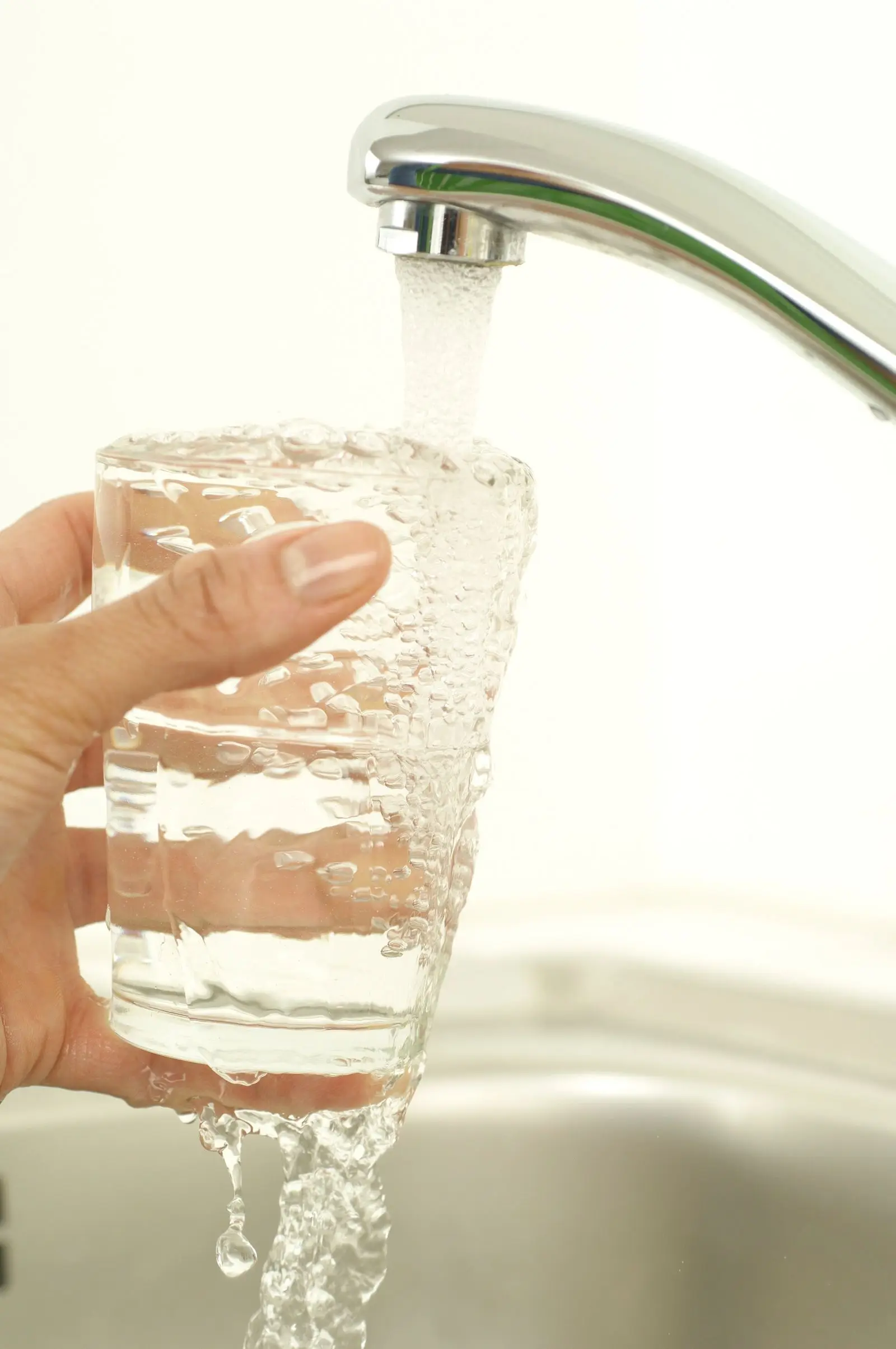
Valley tap water is safe to drink, but it's high in dissolved solids and can taste of chlorine or minerals. That's why RO is one of the most common upgrades in Phoenix-area kitchens.
RO works best on water that's already softened. Hard water fouls the membrane faster, so many homes install a softener and an RO system together.
Reverse osmosis at a glance
- Typical visit
- A few hours
- Where it goes
- Under the kitchen sink, or a nearby cabinet or garage wall
- Best with
- A softener ahead of it to protect the membrane
Signs you need reverse osmosis
- Mineral or chlorine taste in tap water
- Buying bottled water every week
- Scale in kettles and coffee makers
- Ice cubes that come out cloudy
- An old RO system with a slow or dribbling faucet
How the plumber handles it
- 1
Choose a location
The plumber checks cabinet space for the tank and filters, or suggests a tankless RO unit where space is tight.
- 2
Faucet and drain
They drill the sink or countertop for the RO faucet and install a drain saddle with an air gap.
- 3
Feeds
They tap the cold supply and, if you want, run tubing to the fridge or ice maker.
- 4
Flush and test
The system is flushed per the manufacturer and leak-checked. You're shown filter change intervals.
What affects the cost
Prices depend on what the plumber finds, so the plumber quotes on site. These are the main factors:
- Tank vs. tankless RO unit
- Countertop material (quartz and granite need a special bit)
- Adding a fridge or ice-maker line
- Remineralization or UV stages
- Removing an old system
What you can do, and when to stop
Safe to do yourself
- Change pre-filters on schedule
- Check the tank's air pressure when the system is empty
Call a plumber
- Drilling stone countertops
- Tapping into a copper line with a self-piercing valve
Frequently asked questions
How often do RO filters need changing in the Valley?
Pre-filters usually every 6 to 12 months and the membrane every few years, depending on water use and whether the water is softened first.
Does RO waste water?
Yes, it sends some water to the drain as it filters. Newer units waste much less, and a permeate pump can improve efficiency.
Reverse osmosis across the Valley
Need reverse osmosis in the Valley?
Same-day service when a plumber is available. One call connects you with a licensed plumber who serves your ZIP.