Pressure & Supply
Pressure regulator (PRV) replacement
A pressure reducing valve (PRV) near where the main line enters the house lowers city pressure to a safe household level, typically set between 50 and 70 psi. When it fails, pressure climbs and stresses every fixture, supply line and appliance. A plumber tests the pressure, then replaces and sets the valve.
- Same-day service when a plumber is available
- Serving the Phoenix metro
- Quote before work
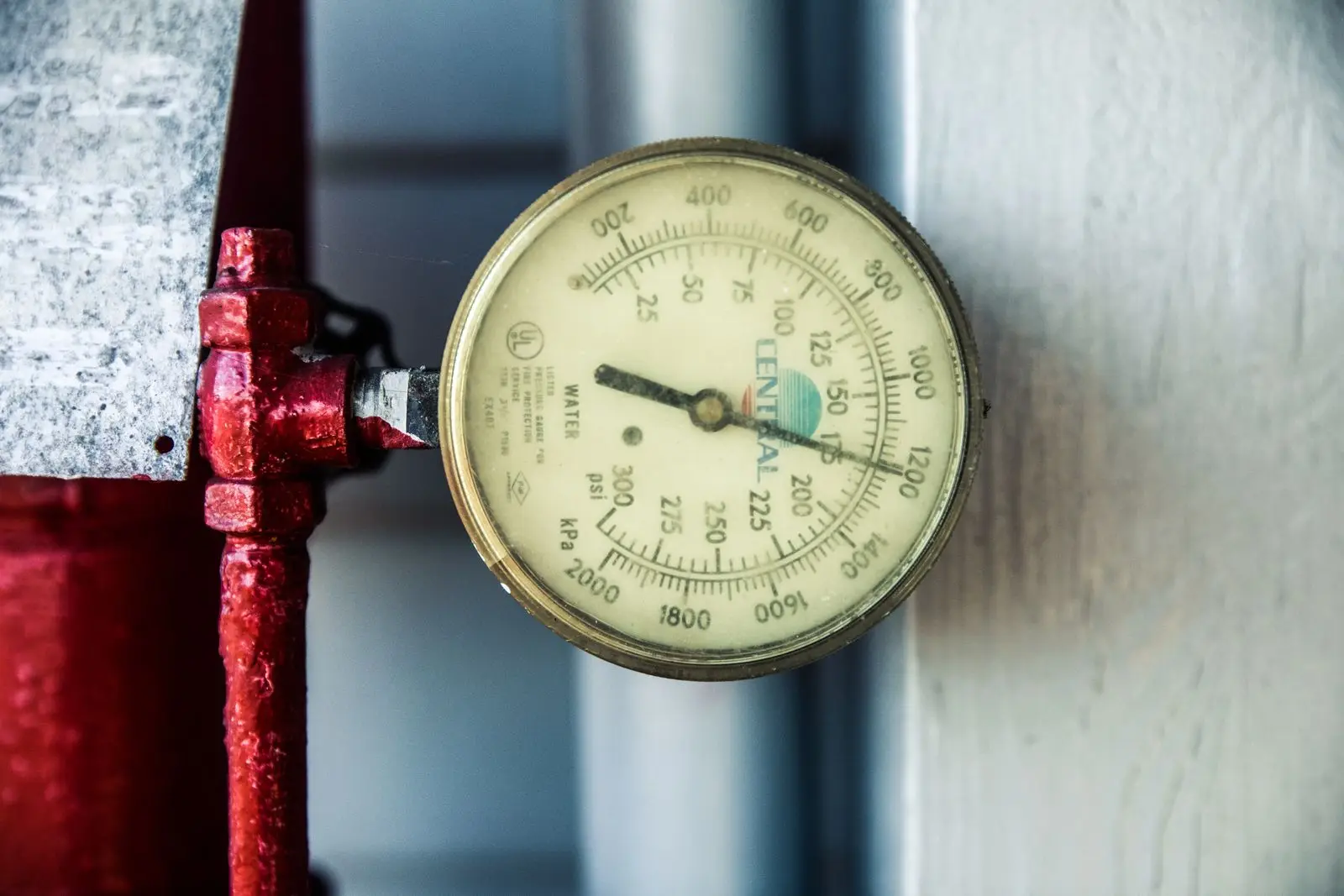
Many Valley homes get high street pressure, and PRVs wear out, often in 10 to 15 years, sooner with hard water. A failing PRV shows up as banging pipes, running toilets, dripping relief valves and burst washer hoses.
PRVs are commonly found on the main line at the front hose bib or in the garage near the softener loop.
Pressure regulators at a glance
- Target
- Typically set between 50 and 70 psi
- Location
- On the main line near the house
- Test
- Gauge on a hose bib
Signs you need pressure regulators
- Water hammer or banging pipes
- Toilets that refill on their own
- Water heater relief valve dripping
- Sprays that seem unusually strong
- A gauge reading over 80 psi
How the plumber handles it
- 1
Test
The plumber puts a gauge on a hose bib to read static pressure, and watches it overnight if needed.
- 2
Replace
The main is shut off and the old PRV is cut out and replaced.
- 3
Set
The new valve is adjusted to the target pressure and the expansion tank is checked.
What affects the cost
Prices depend on what the plumber finds, so the plumber quotes on site. These are the main factors:
- Valve size and brand
- Location and access
- Condition of the main shutoff
- Expansion tank adjustment
What you can do, and when to stop
Safe to do yourself
- Buy a hose-bib pressure gauge and read your pressure
Call a plumber
- Adjusting a failing PRV that won't hold its setting
Frequently asked questions
What water pressure should my house have?
Plumbing codes generally cap residential pressure at 80 psi, and many plumbers set it between 50 and 70.
Pressure regulators across the Valley
Related services
Guides
Need pressure regulators in the Valley?
Same-day service when a plumber is available. One call connects you with a licensed plumber who serves your ZIP.