Water Heaters
Hot water recirculation pumps
A recirculation pump keeps hot water close to the fixtures so it arrives in seconds instead of minutes. Homes without a return line can use a pump at the water heater with a crossover valve under the farthest sink, and timers or on-demand buttons keep energy use down.
- Same-day service when a plumber is available
- Serving the Phoenix metro
- Quote before work
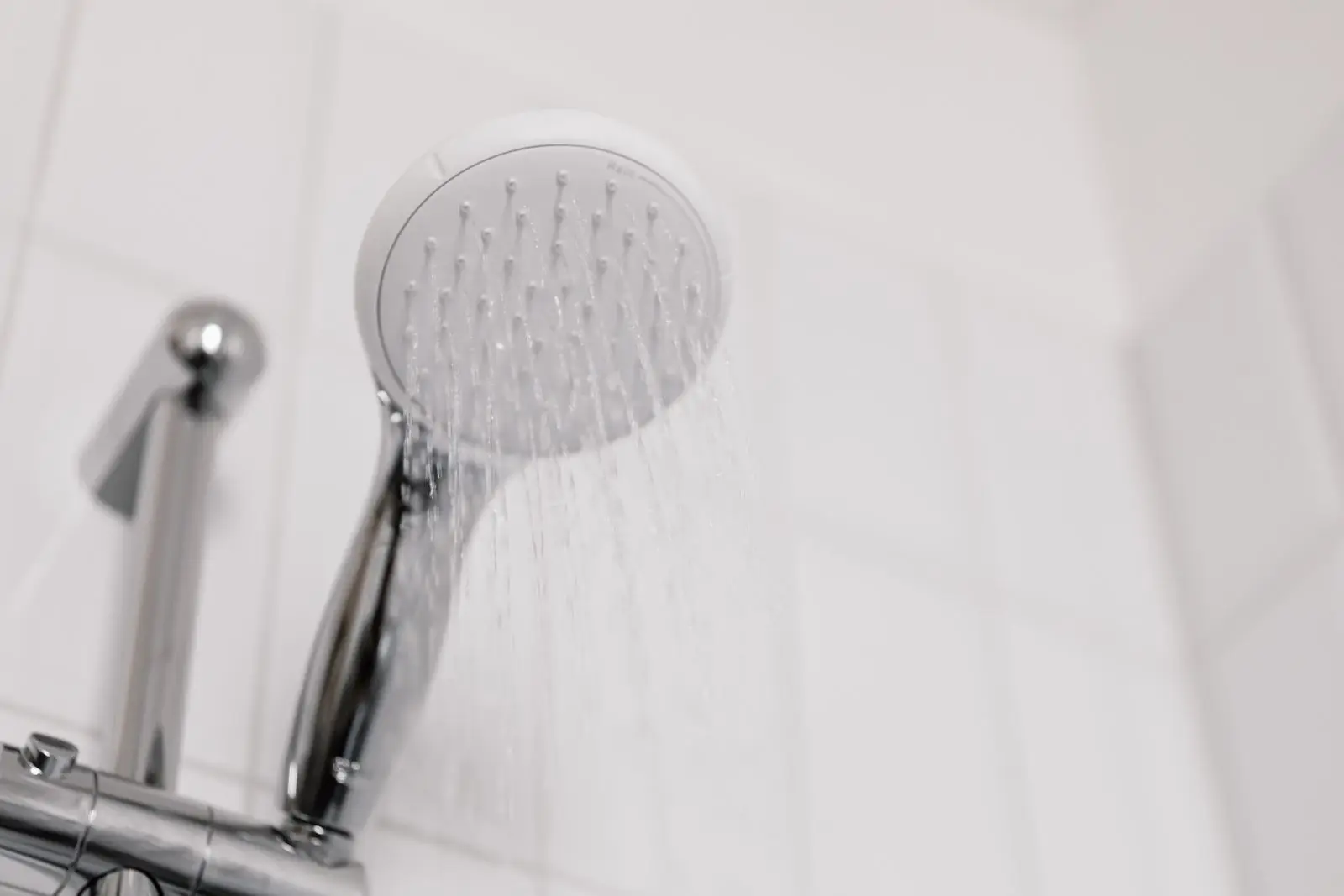
Sprawling single-story Valley floor plans put the master bath a long way from the garage water heater. Waiting a minute or more for hot water wastes water and patience.
Many newer homes have a dedicated return line already plumbed. Older homes can use a crossover-style system with no new piping.
Recirculation at a glance
- Result
- Hot water in seconds at far fixtures
- No return line?
- A crossover valve under the far sink
Signs you need recirculation
- Waiting a long time for hot water
- A return line capped at the water heater
- Running water down the drain every morning
How the plumber handles it
- 1
Check the layout
The plumber looks for a return line and finds the farthest fixture from the heater.
- 2
Install
The pump goes at the heater, plus a crossover valve at the far sink if there's no return line.
- 3
Set controls
They set a timer, temperature sensor or on-demand button to match your routine.
What affects the cost
Prices depend on what the plumber finds, so the plumber quotes on site. These are the main factors:
- Return line vs. crossover system
- Control type
- Electrical outlet at the heater
- Tankless compatibility
Frequently asked questions
Does recirculation raise energy bills?
A pump that runs constantly can. A timer or on-demand control keeps the extra cost small.
Does it work with a tankless heater?
Some tankless models have built-in recirculation. Others need a compatible pump and settings.
Recirculation across the Valley
Need recirculation in the Valley?
Same-day service when a plumber is available. One call connects you with a licensed plumber who serves your ZIP.