Hard Water & Filtration
Water softener installation in the Phoenix metro
A water softener removes the calcium and magnesium that make Valley water hard, which protects water heaters, fixtures and appliances from scale. A plumber sizes the unit to your household's water use and measured hardness, connects it at the softener loop or main line, and routes the drain correctly.
- Same-day service when a plumber is available
- Serving the Phoenix metro
- Quote before work
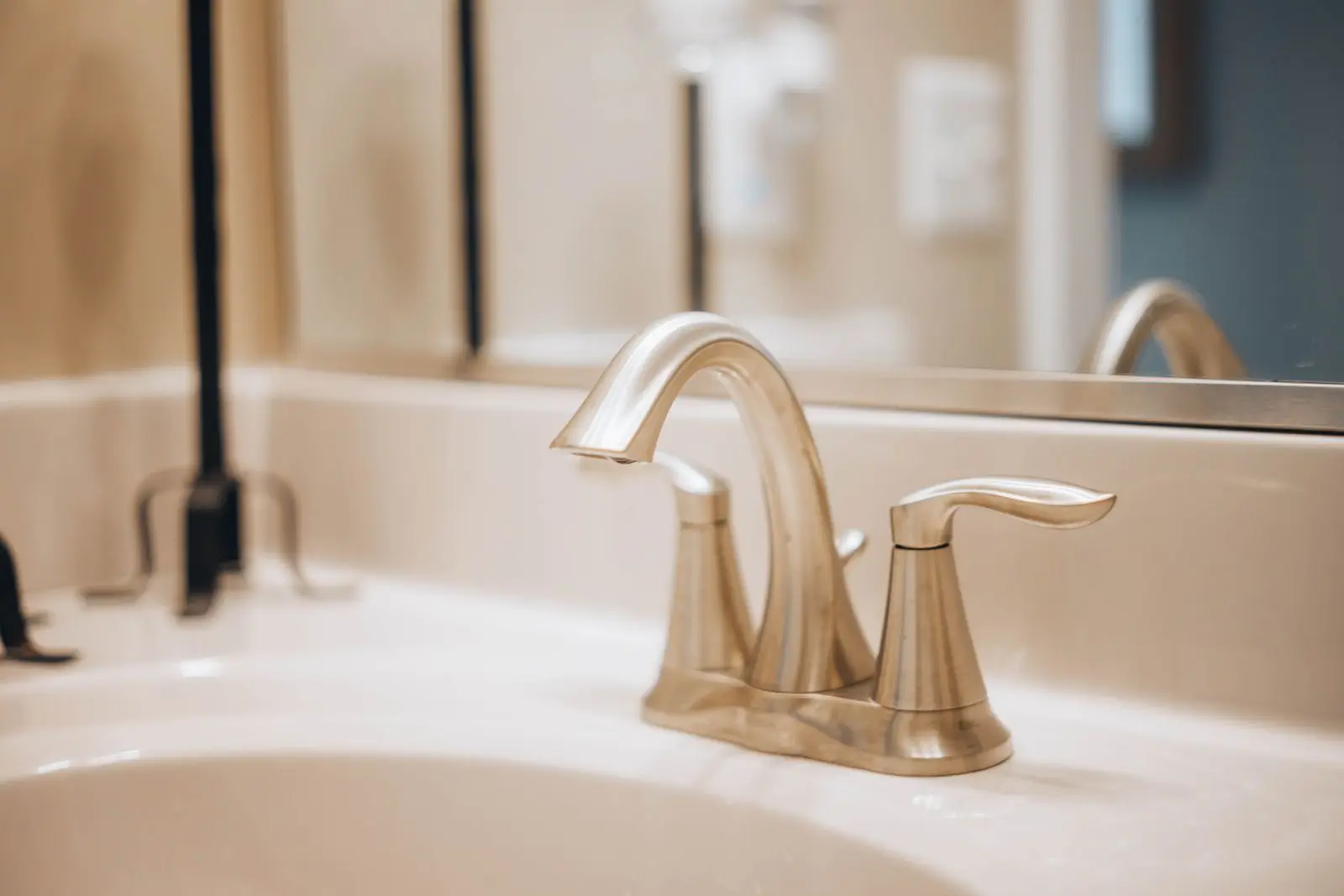
Phoenix-area water is some of the hardest in the country. You see it as white crust on faucets and shower glass, but the expensive damage happens where you can't see it: scale on water heater elements and tank bottoms, in tankless heat exchangers and in dishwasher valves.
Many Valley homes built since the 1990s have a pre-plumbed softener loop in the garage, which makes installation simpler. Older homes may need a loop added at the main line, with a bypass so outdoor hose bibs and irrigation stay on unsoftened water.
Water softeners at a glance
- Typical visit
- Half a day when a loop exists; longer when one must be added
- Why it matters here
- Valley hardness shortens water heater and fixture life
- Permit
- Usually not required for a like-for-like swap; new main-line work may need one
- Pairs with
- Reverse osmosis for drinking water
Signs you need water softeners
- White or tan crust on faucets, shower heads and glass
- Spots on dishes even with rinse aid
- Water heater popping or rumbling as it heats
- Soap and shampoo that don't lather well
- Short-lived faucet cartridges and toilet fill valves
How the plumber handles it
- 1
Test and size
The plumber tests hardness at a tap and asks about household size and water use to size the grain capacity and regeneration setting.
- 2
Plan the connection
They use the existing softener loop if there is one, or cut in a loop with isolation and bypass valves at the main line.
- 3
Drain and overflow
The regeneration drain gets an air gap into an approved receptor, which is a code and sanitation requirement, not an option.
- 4
Program and check
The unit is programmed for your hardness, the system is checked for leaks, and you're shown how to bypass it and add salt.
What affects the cost
Prices depend on what the plumber finds, so the plumber quotes on site. These are the main factors:
- Grain capacity and control type (timer vs. demand-initiated)
- Whether a softener loop already exists
- Drain routing distance to an approved receptor
- Removal of an old unit
- Adding an RO system for drinking water at the same visit
What you can do, and when to stop
Safe to do yourself
- Add salt and keep it above the water line in the brine tank
- Break up a salt bridge with a broom handle
- Put the unit in bypass if it leaks
Call a plumber
- Cutting into the main line to add a loop
- Running the drain line straight into a sewer pipe without an air gap
Frequently asked questions
How hard is Phoenix water?
Valley water providers generally report hardness in the teens of grains per gallon, and some areas run higher. Your city's annual water quality report lists the number, and a plumber can test at the tap.
Do I need a softener if I have a water heater with an anode rod?
Yes, they solve different problems. The anode rod protects the tank from corrosion, while a softener keeps scale from building up on the elements and tank bottom.
Can a softener feed my irrigation?
It shouldn't. Softened water adds sodium to soil, so a plumber normally keeps hose bibs and irrigation on the hard-water side of the bypass.
Water softeners across the Valley
Related services
Guides
Need water softeners in the Valley?
Same-day service when a plumber is available. One call connects you with a licensed plumber who serves your ZIP.